
Thinking Out Loud About Sensitivity Reading
Sensitively

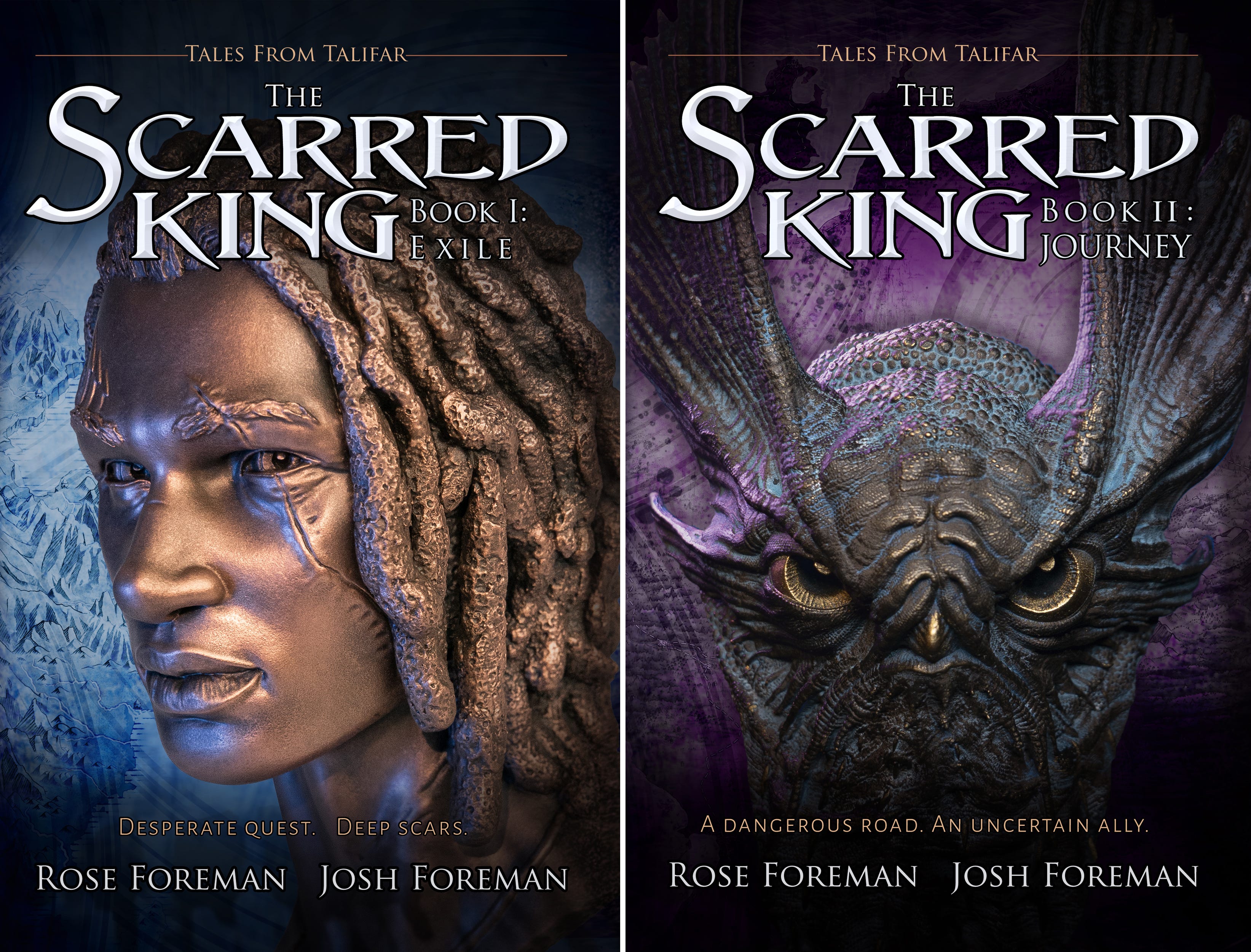
Some context. I’ve co-authored a fantasy adventure trilogy with my mom. She did the vast majority of the writing. I’m just a high-level worldbuilding weirdo who’s into figuring out the logistics and thinking through franchise management. My dream is to turn this trilogy and the 9 other books that are in various phases of development into a franchise that has manifestations in all mediums, from graphic novels to tv shows to videogames.
We released the first two novels of this trilogy several years ago, and my obsessive compulsive drive to illustrate, map, and firmly understand too much about the workings of the world have caused the 3rd to be delayed far beyond what is reasonable. And while I am ashamed of the way my compulsion has affected my co-author, one of the advantages of dragging this out is that a couple developments in my life have provided me the means with which to improve the books dramatically. So I’ve been reworking the whole trilogy, including a new name, since I discovered a significant amount of people misread the old title.
Working at Netflix pays well, and since this Big Dream I have is my only hobby, vacation, relaxation time, etc. that’s where I’m putting some of my disposable income that would otherwise have gone to travel or cars or whatever normal people spend money on. So I hired a professional editor (the latest in a long line of editors) and I find her work to be spectacular, prompting excellent changes, finding plot holes, redundancies, etc. I still have to pay a copy-editor, and a layout person, since I did a horrible job the first two tries.
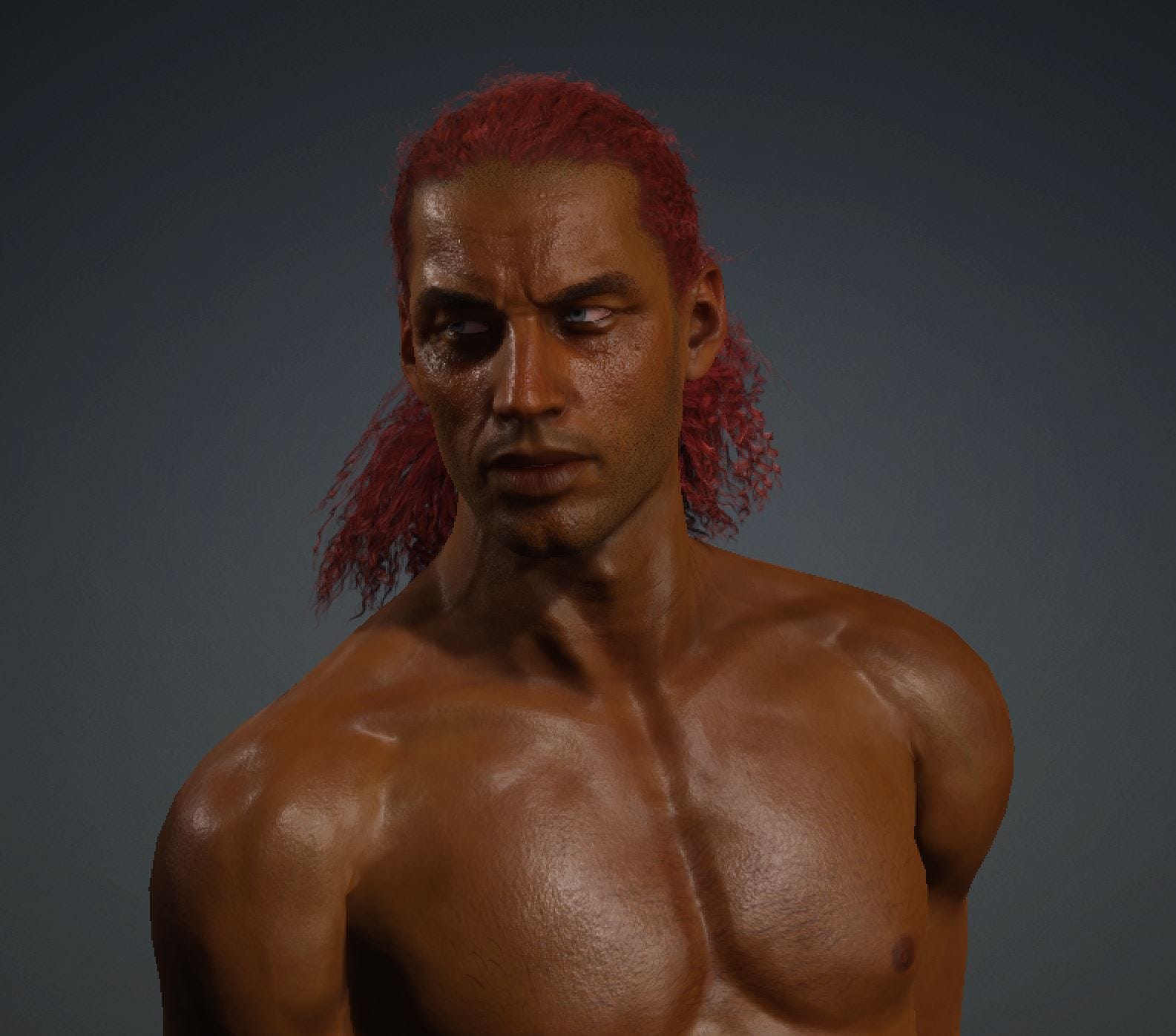
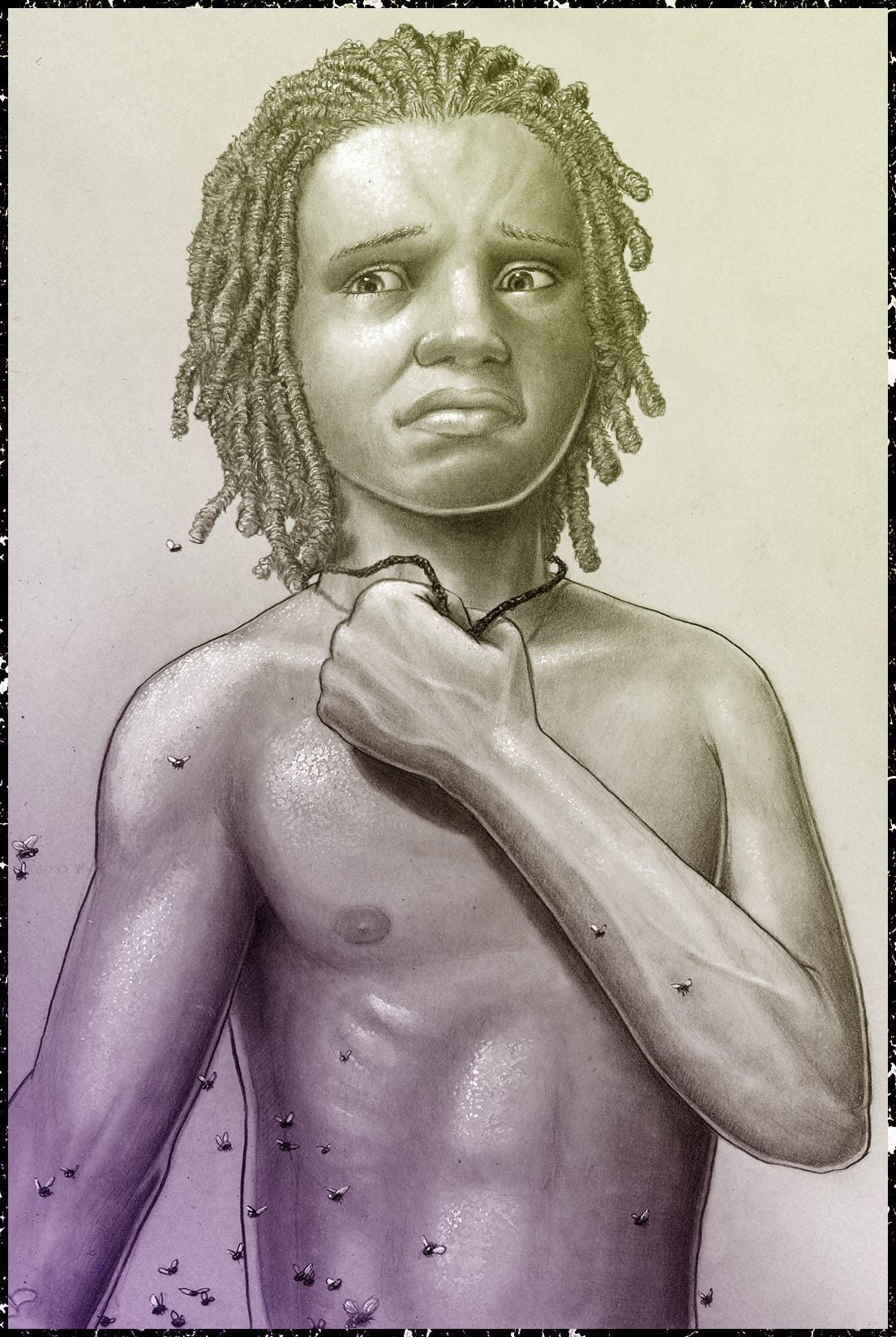
And that leads me to what I’m trying to think through next. One of the unique elements of this fantasy adventure trilogy is that the protagonist comes from a tropical island nation. As is standard operating procedure, his culture was designed with a mix of inspiration from real world tropical island nation cultures as well as the process of thinking through the ramifications of how this biome would shape culture. And like it or not, a lot of people will interpret this culture as some kind of indigenous Polynesian diaspora people group. Which means being in the uncomfortable position of being judged as writers who are judging another culture. Every positive element we wrote could be perceived as exoticizing, and every negative element could be seen as reinforcing hateful stereotypes. Hence the modern movement for writers to stick to their own lanes and write what they know. “This isn’t your story to tell.” and all that.
I like challenging ideas, especially when they come into conflict with my pre-existing paradigms and endanger my own sense of self. I think that discomfort is necessary for growth. That being said, I’ve spent a lot of time trying to grapple with the ramifications of the presuppositions that animate such an idea, specifically as it applies to my most loved genres, fantasy and scifi. I’ve tried very hard to figure out how this does not quickly hit the event horizon of a reductio ad absurdum. If we should only write what we know, or what our personal cultural heritage is, then in the fantasy genre I’d have to code all my characters and cultures as medieval Polish or English. In scifi, none of my aliens could display any cultural or physical traits that could be interpreted as non-white European.
But pay close attention here. What I’m NOT doing is putting this reductio ad absurdum in the mouths of people who bring up concerns of racial coding in spec-fic. (A depressingly common tactic to terminate uncomfortable thoughts.) What I’ve tried doing is taking the premises seriously. One of which is that specific characters/cultures CAN cause actual harm in the real world by reinforcing stereotypes that real people act upon or make political actions such as voting based on them.
I want to employ my favorite tool of analysis here and create a spectrum. A spectrum of harm. You could imagine an individual man who has read countless scifi and fantasy books where the dark skinned orcs are mindless and intrinsically evil, who encounters a black person in a stressful situation, and lashes out, killing that person because of of a lifetime of reinforced subconscious belief due to the stories that he interpreted that way.
Again… pay attention closely. This is NOT an argument I’m putting in anyone’s mouth. It’s NOT what I’m assuming everyone who has concerns about this topic thinks is a common phenomenon.
Instead, I’m going to look at the OTHER end of this harm spectrum. Imagine the same guy, but instead of killing anyone he’s on the fence about a racist immigration policy. And while he does not consciously summon the image of an orc when he thinks about immigrants in the abstract, that feeling of the mindless horde of The Other ends up tipping the scales and so he votes for the strongman who promises law and order as soon as the nation expels The Other.
Or he’s just less empathetic to his Mexican neighbor. Or any number of other miniscule words, deeds and attitudes that make life just a little bit harder for people he perceives as The Other. I think if we authors want to believe that our work can have an impact on the world then we need to accept that it’s a double edged sword. And that we can cut people without meaning to. We don’t have to write the next Great Novel that inspires a person who invents a cure for cancer or whatever. We could write the next mid-tier gift shop book that provides the threshold-tipping nudge to 28 people who decide they will donate a kidney or volunteer to help the unhoused, or to give up on an abusive marriage or to adopt a child, etc. Or the nudge that causes 28 people to stop tipping, to refuse to return their shopping cart, or to do tax fraud. We just don’t know what our work is doing when it’s out there, but I reject the notion that “It’s not that deep” “It’s just entertainment” so why bother thinking about the impact?
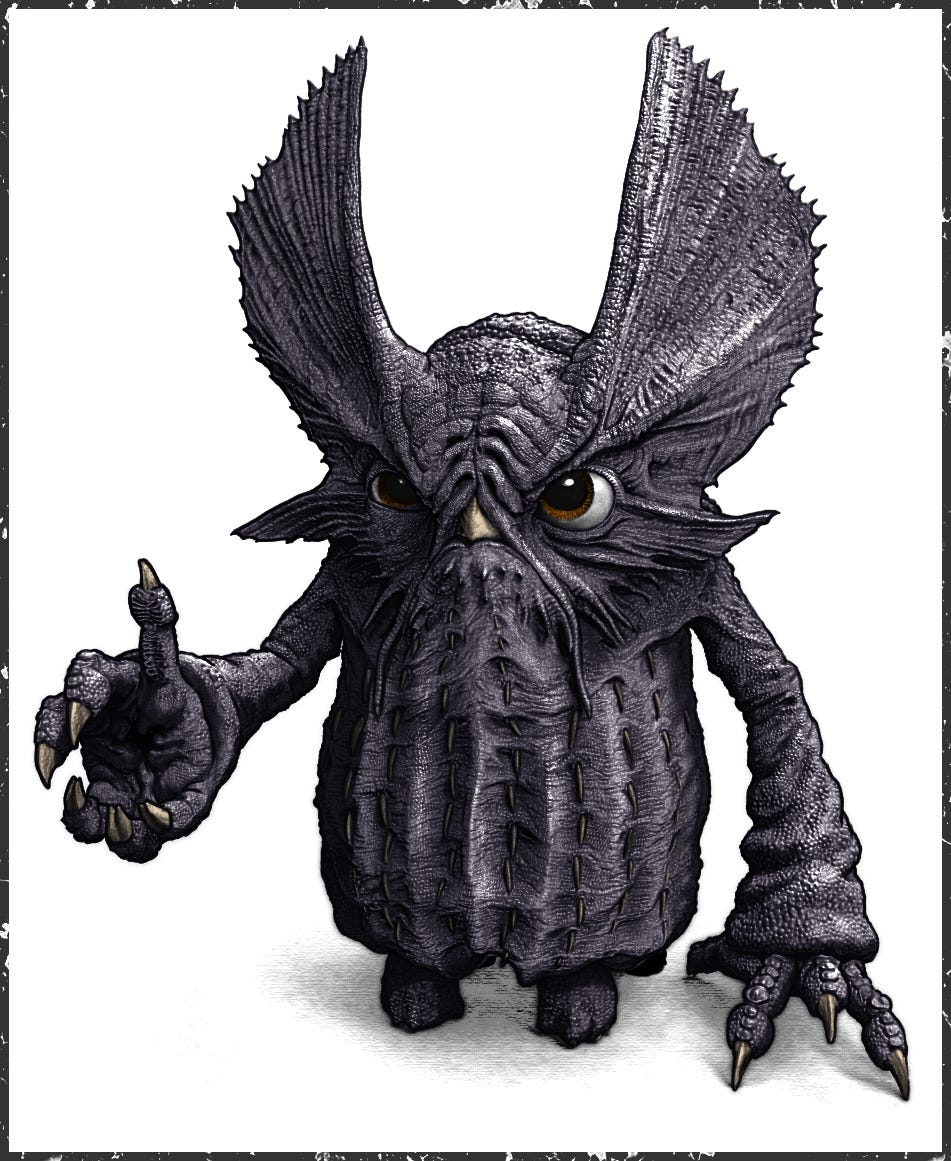
Many authors have no articulated goal with their writing. I do. “Make the world more loving with stories.” I have no idea if I can accomplish that goal. My co-author/mom has said that one of her goals in writing is to prompt the reader to ask “who is my neighbor?” within the framework of Christ’s teachings about how we ought to treat our neighbor. I think -as illustrated above- no matter what I do it’ll have a negative impact on some, and positive on others. But because I have that goal, it prompts me to think carefully about what elements there are in my work that could be nudging people’s attitudes and perceptions.
And so I find myself in the camp of people who find some level of veracity in the claims that specific character/culture choices can impede my goals as an author, and carry some kind of moral or ethical weight. Oh. Let me dispel another common misconception about this perspective. The author absolutely does not need to have any malice in their heart or any intention to cause harm in order to do so. In fact, I would argue that most spec-fic harm comes from unexamined tropes. If you don’t KNOW that hook nosed greedy goblins running banks have precedent in antisemitic stereotypes and propaganda and they end up in your book, it can still do harm. (Again: I’m talking about the subtle nudges of reinforcing subconscious biases)
But there’s another, much more common thing going on, I think. That is the case where an alien or fantasy person simply has one physical or cultural element that is also coincidentally part of a character of real world people. This is where things get tricky, because I think almost every element of personhood and culture has been weaponized as a stereotype for some group of people somewhere. I sincerely do not believe there’s any way to create a complex, nuanced realistic spec-fic character/culture that don’t contain many such elements.
If one is to take seriously the claim that these elements are unethical, then I’m forced to the conclusion that spec-fic is inherently immoral. (At least the kinds of work we’d recognize as speculative fiction.) If you try to dodge this with the rule of writing only from your own perspective and cultural background you’ll end up in that reductio ad absurdum again. In fact, a fractal reductio ad absurdum. If you are Polynesian, can you write about a fantasy Polynesia where there is a war with a tribe from another island? If that tribe is not one you grew up in, then you’ve broken the rule. Can you have women in your story if you’re a male author, or visa versa? Nope. Can you write about a master weaver if you are a fisherman and your station occupies a different socio-economic level of privilege?
In fact, to continue the absurdism, what is to say that any autobiography is ethical under this framework? Are you not imposing your own interpretation on every other human mentioned in your book?
Again: Pay attention. I’m NOT putting these words in anyone’s mouth. I’m not creating a blue haired woke mind virus strawman. What I’m trying to do is to find the actual workable premises around a concept I am convinced of. That one about the double edged sword. I’m working so hard on this project because I believe in the power of stories. And with great -or even mediocre- power, comes the commensurate responsibility.
So it’s possible that all writing is ethically problematic. Another woke buzzword I want to unpack rather than use as a shibboleth. By ‘problematic’ I personally mean something that is imperfect and must be attended to carefully. Or, you know, problems can occur. I’ve had many cars that were problematic.
To the extent that all writing is problematic in this way, so is all culture and human action. Which, I think, puts me in the position to say that my mental model of the work I create is one in which I can cause problems, and that I doubtless will cause problems. Sometimes (maybe literally all the time) life gives you no perfect solution or unambiguously good choices. Raising some difficult children taught me that. Despite constant over-thinking and sacrifice on our parts, my wife and I certainly did some damage to our kids. My hope is that we also did some blessings that maybe outweighed the damage.
All of this was an attempt to process my thoughts on getting a sensitivity reader for our trilogy. A friend of mine who has American Native ancestry gave the first book a shot, but didn’t enjoy it after the protagonist left his island. (very minor spoiler alert, haha) And while she had a few notes that were helpful, this is clearly not the same thing as paying someone to read the whole trilogy and give feedback based on their knowledge of real world societies that some people will assume we’re referencing.
Oh, and just to clear some common misconceptions, in case my heart on the matter wasn’t clarified by what’s above… No, this isn’t about not wanting to offend people. No, this isn’t about snowflakes or safe spaces. No, this isn’t because I’m afraid of cancellation. Ok…It’s painful to do this… but because I haven’t found a good source that sums it up as well, here’s google’s AI summery:
__
Sensitivity readers provide feedback on how accurately, respectfully, and authentically characters and themes from marginalized groups (race, gender, sexuality, disability, religion, etc.) are portrayed, checking for stereotypes, harmful tropes, and cultural inaccuracies, not just to prevent offense but to improve character depth and cultural nuance, offering detailed reports with suggestions for better representation.
Key Feedback Areas:
Authentic Portrayal: Ensuring characters feel real and not like stereotypes or one-dimensional figures, especially when the author isn’t part of that group.
Uncovering Blind Spots: Highlighting unconscious biases or assumptions the author may have.
Cultural Nuance: Providing context on cultural attitudes, historical experiences, and specific speech patterns that ring true.
Harmful Language/Tropes: Identifying outdated terms, offensive language, or problematic plot points that might negatively affect readers from that community.
Dialogue & Mannerisms: Checking if dialogue and behaviors align with the character’s background.
What They Deliver:
Detailed Reports: Summaries of findings with track changes or notes.
Context & Alternatives: Explanations for why something is problematic and suggestions for respectful alternatives.
Constructive Suggestions: Guidance on improving plot, character development, and overall quality.
Why They’re Used:
To add depth to multidimensional characters.
To ensure diverse stories are told respectfully.
To help authors write outside their lived experience with confidence.
__
In my opinion what this boils down to is making the work stronger and simply letting me know if I’m cutting anyone with this double edged sword. It’s up to us, as authors, to decide if that information warrants changes. (I generally err on the side of believing people who say they are being harmed.)
So problem number one is this: WHAT cultural background is the right one to weigh in on this? From a worldbuilding perspective, our protagonist is NOT Polynesian at all. The series is set thousands of years in the future on a different planet settled by humans and other aliens and everyone has lost their technology and are being kept from redeveloping it.

Had we wanted to avoid ALL perception that our protagonist was Polynesian we could have carefully crafted all the aesthetics of culture to be wildly different from Polynesian real world counterparts. They could have had German-looking houses and Chinese-looking clothing and Athabaskan-sounding language. I’ve read/seen spec-fic that takes this chimera approach and think it’s quite bad. Especially when there is no respect paid to the biology, geography and natural resources around them. I think there’s a reason many cultures on islands near the equator have similarities. Even beyond the Polynesian diaspora it’s hard for me to imagine that many of these reasons don’t come down to resources, natural incentives and that sort of thing. I’m not making a Guns Germs and Steel environmental determinism argument here, but I’m also convinced that the environment is a very important part of how culture gets naturally selected for. I simply resist an oversimplified causal narrative.
The more standard approach to worldbuilding fantasy/scifi is to blend regional cultures. Here’s a funny story about that as an illustrative aside. I worked on a game called Guild Wars that had an East Asian-coded expansion, and our art director did the thing most fantasy art directors do. He mashed together regional aesthetics. Mostly Japanese, Korean and Chinese. After all, that’s what we did for the European coded areas. German, Polish, English, Italian, Spanish, French… all in a blender. The same thing for the African-coded area.
Then, years later we were developing the sequel, and had a central city that had different districts, each representing the cultures that had been established in Guild Wars 1. We had built this massive city, including the “Cantha District” which was like a China Town equivalent, using the same art direction. But at some point our Korean publisher pointed out to us that East Asians actually hate having their aesthetics blended. They found it offensive that a Chinese looking-house would have Japanese trim and a Korean finial.
Well we were so close to our launch date that we could not possibly rework all the architecture so drastic measures had to be taken. And that is why one of the districts in Divinity’s Reach is a giant hole in the ground! Better to remove the whole district than offend millions of people.
To a lesser degree, this goes the other way too. Many Japanese games used Christian iconography in a haphazard way. Magical spell books often had a cross on the cover. That kind of thing.
So I guess the point of these stories is that I don’t want to be the guy who doesn’t know that a spell book would not have a cross on it, or that you shouldn’t mish-mash East Asian architecture. Although on that last point I wonder if that’s actually a universal thing, and I’ve only heard of the East Asian issue because of my very specific job. Maybe all cultures except for Europeans hate having their regional aesthetics combined. Hm… that would be troubling.
Anyway, back to my first problem I managed to derail myself from. IF people are going to assume our protagonist is Polynesian, which of the hundreds (thousands?) of distinct Polynesian cultures should I hire someone to do a sensitivity read? If I was a billionaire maybe I’d try to get someone from all of them. Since this is a pretty new concept I don’t know if there’s a best practice that’s commonly known in the industry. I don’t know what due diligence looks like. It seems obvious that the more perspectives the better. But I don’t know where the point of diminishing returns meets what I can afford.
But let’s say for the sake of argument I decide one person is enough. What is THEIR tuning on this matter? Where do they fall on that spectrum of harm I outlined above? What if they hate the way our made-up culture names their children? How much work could this all unravel? What if I get a second opinion, and they are fine with everything? How do you adjudicate between conflicting opinions within a culture that is not yours?
I mean… obviously a lot of this concern would be mitigated had I sought out a sensitivity reader a decade ago. But there was no way I could afford it then, so…
I guess I never told you how many groups I contacted during the writing to ask if a term I was using was offensive. Like the little folk: I asked a number of organizations that represent little people. Our littlefolk have nothing to do with today's people as our characters were genetically altered by their ancestors to use less resources, but I still didn't want to use a term that is an insult to people today who have a superficial resemblance to our characters. I didn't think to call any of the American Indians I know because because everybody on the planet descended from a science-focused western culture. Thus my shock at discovering how offensively I named some characters who had not been named as insults. Well, I know so few insults because I grew up in a family, church, and neighborhood who didn't use those words. That was an easy fix. I would like to think most problems will be easy fixes. Babylonian politics affect us today as much as our politics will affect people crash landed on another planet three thousand and more years from now. Still, I think some sensitivity readers will be a good idea. I might not respond to every comment, but I do like to find out how people who aren't me think. Oh, and I should mention that most characters are so far from me, that no one should conclude any character is my mouthpiece. Also, I allow my characters to be wrong or stupid or mentally damaged by a traumatic life. Some will be insane and I won't say what the diagnosis is.